Sensory analysis is a fundamental tool for understanding how consumers perceive foods. Through the study of attributes such as taste, aroma, and texture, it is possible to evaluate product quality and its acceptance in the market.
In the context of the agri-food sector, especially in regions such as Alentejo (Portugal), sensory analysis plays an essential role in the valorization of traditional products such as olive oils, wines, cheeses, and meat products.

What is sensory analysis
Sensory analysis consists of evaluating the characteristics of foods through the human senses. This process makes it possible to study how products are perceived by consumers and to identify factors that influence their preference.
Among the main attributes analyzed are:
- Flavor
- Aroma
- Texture
- Appearance
This approach is widely used both in scientific research and in the food industry.
Why is it important in the agri-food sector
The sensory perception of foods is directly related to their acceptance by consumers. A product with good nutritional properties may not be successful if it does not present pleasant sensory characteristics.
In Alentejo, where agri-food production has a strong economic importance, sensory analysis makes it possible to:
- Evaluate the quality of traditional products
- Improve specific sensory characteristics
- Differentiate products in the market
Products such as extra virgin olive oil, regional wines, or artisanal cheeses depend heavily on their sensory quality to stand out.
Main benefits
The application of sensory analysis brings several advantages:
- Allows understanding of consumer preferences
- Contributes to the development of new products
- Supports continuous quality improvement
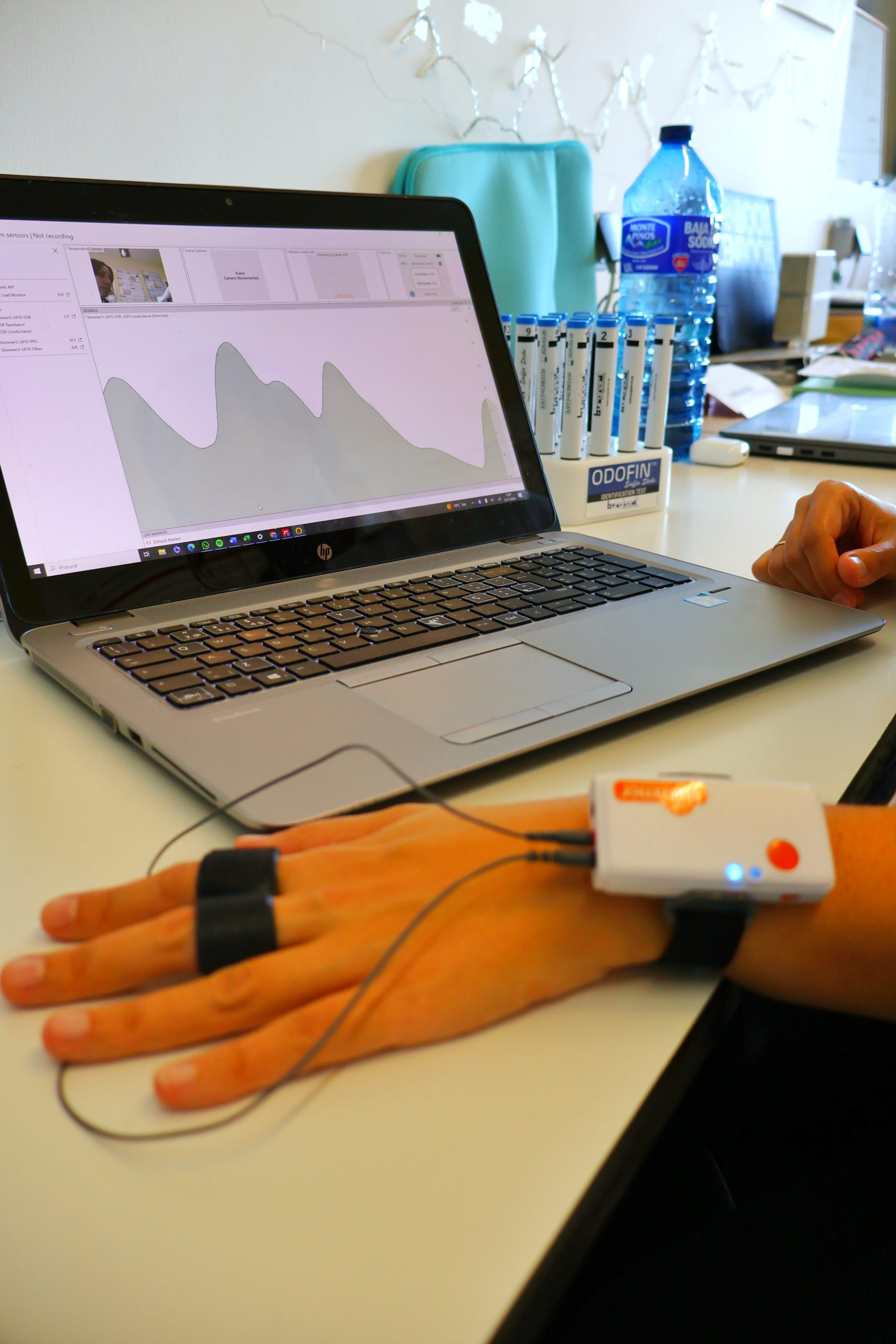
How sensory analysis is carried out
Sensory analysis can be carried out through different methods, depending on the objective of the study.
Among the most common are:
- Trained tasting panels, which evaluate products in a controlled manner
- Consumer tests, which analyze overall acceptance
- Experimental methods used in research
Key points list:
- Tests are carried out under controlled conditions
- Scales are used to evaluate different attributes
- The results allow obtaining comparable and consistent data
Conclusions
Sensory analysis is an essential tool for understanding how foods are perceived and valued by consumers. Its application in the agri-food sector makes it possible to improve product quality and increase their competitiveness.
In regions such as Alentejo, where traditional products play a central role, sensory analysis helps to strengthen the identity and value of foods, bringing science closer to market needs.